For my academic schedule, I am taking 4 courses: Swedish Language & Culture, Psychology of Loneliness, Translational Medicine, and the “Biochemistry-Biophysics of Ion Channels” research assistantship.
On Mondays and Thursdays, I have all three of my classes for 80 minutes each, and end by 4:10pm. On Tuesdays and Fridays, I go into SciLife Lab for the RA position (it counts as two classes) and am there from 8:30-5:30pm. It’s quite the time commitment (most days we are there past 5:30pm), but I really enjoy the research, so the days fly by.
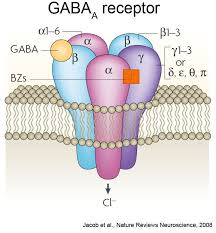
As for the details of my actual project in the research assistantship, I am looking at a receptor subunit called GABA(A)-π. GABA(A) receptors are primarily found in the cell membranes of neurons within the central nervous system, and they play a role in inhibiting the electrical signals within our brain. Not much is known about the specific π subunit, other than the fact that it is found in non-neuronal structures, such as the endometrial lining of the uterus. Interestingly, when compared to how GABA(A) receptors without it behave, the presence of the π subunit causes GABA(A) receptors to function abnormally while exposed to steroids.
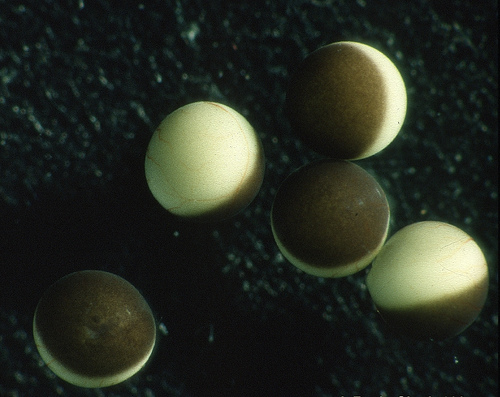
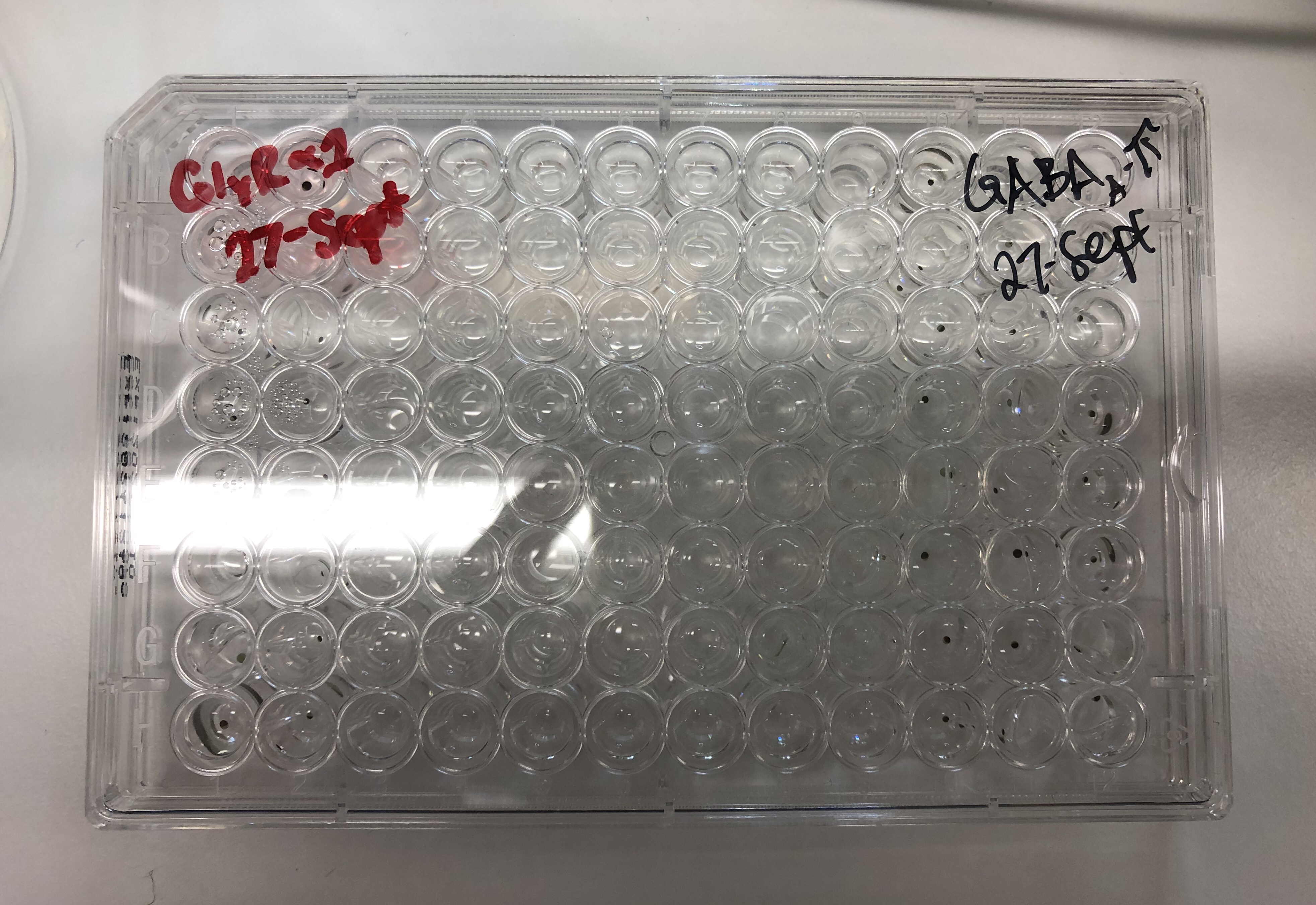
In the lab, I inject these cells called oocytes (which are frog eggs) with RNA. After sitting in an incubator for a few days, they then express the GABA(A)-π receptors. We use these cells because they are large and fairly easy to inject/record from/work with.
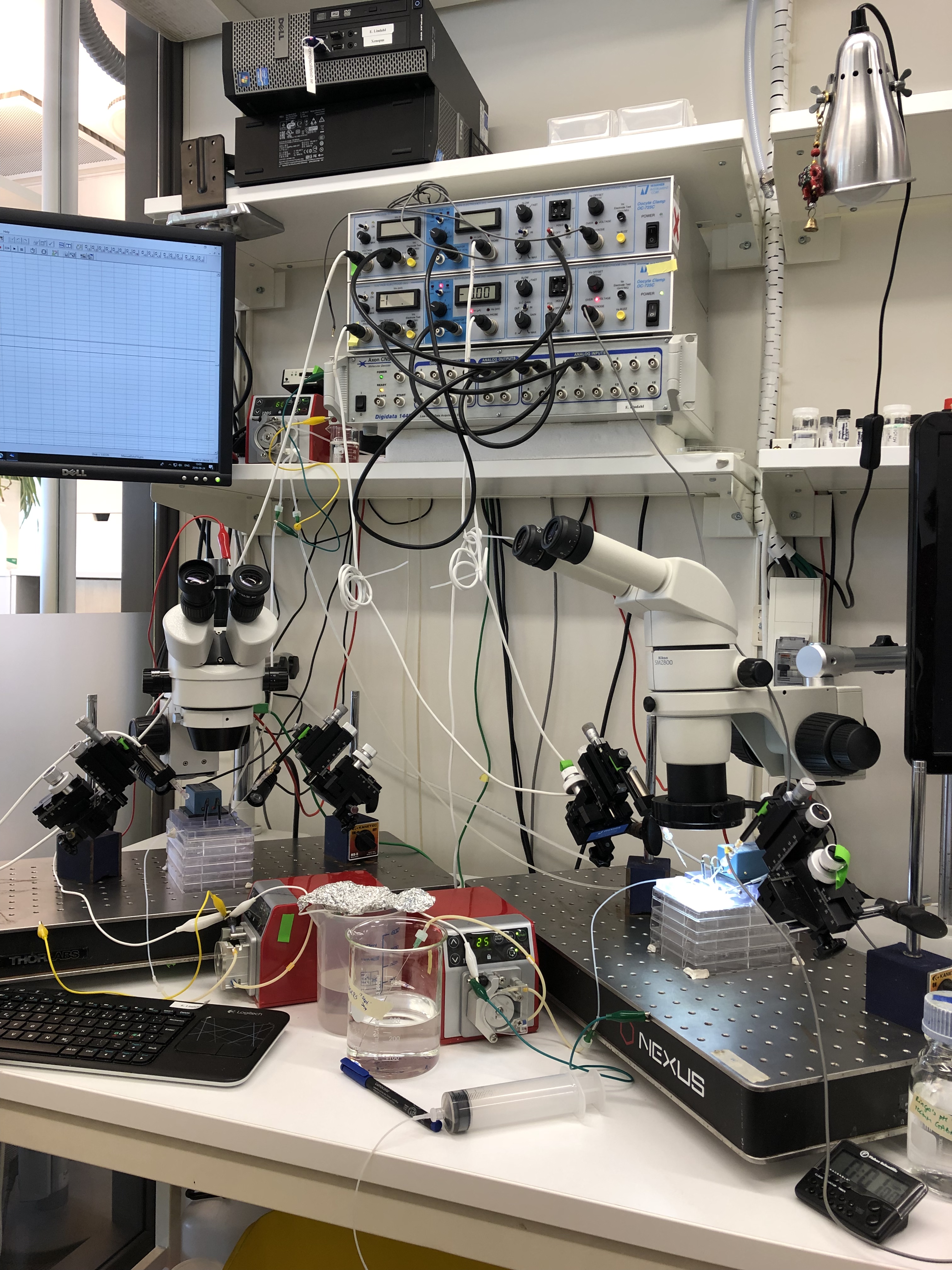
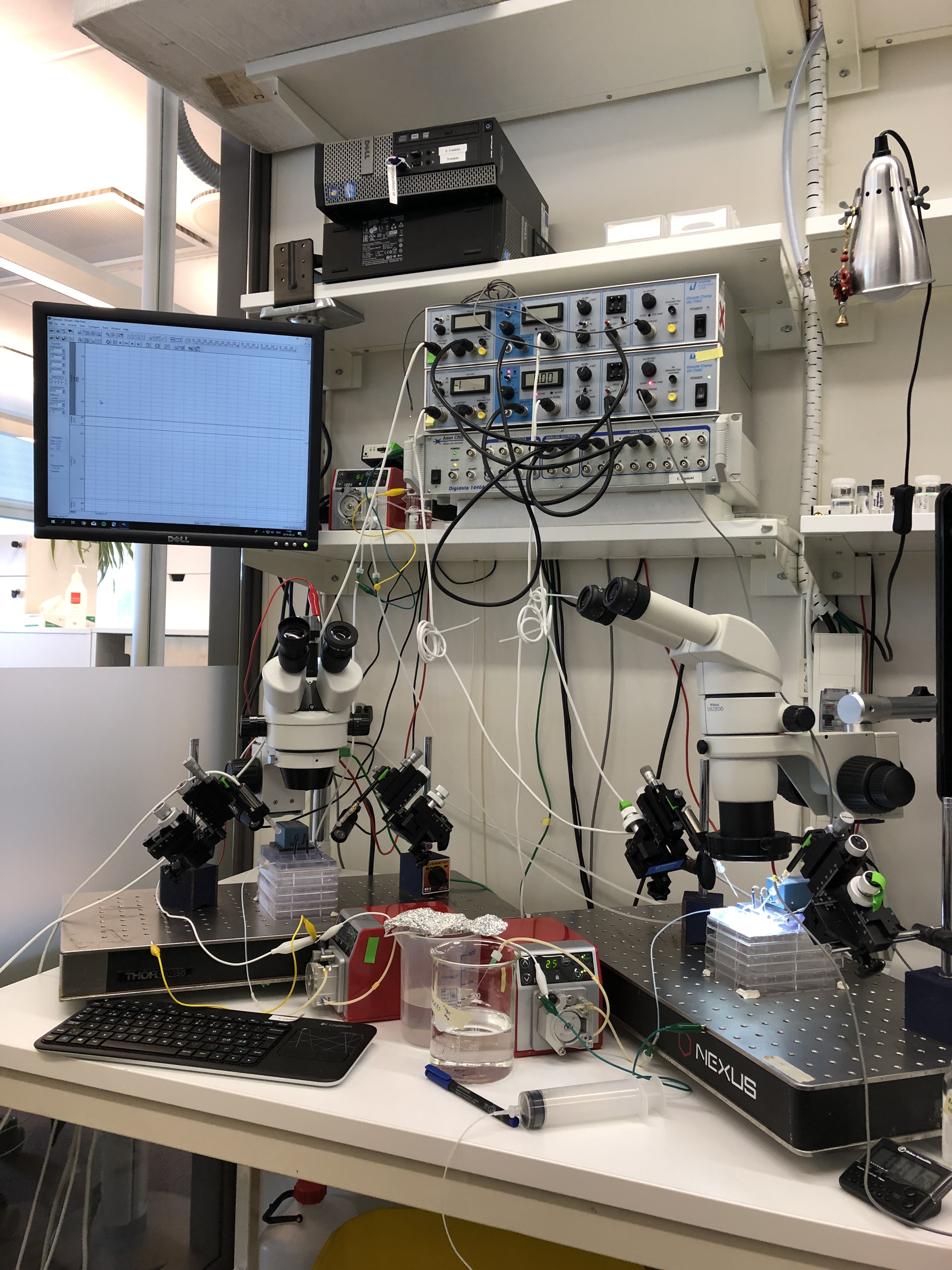
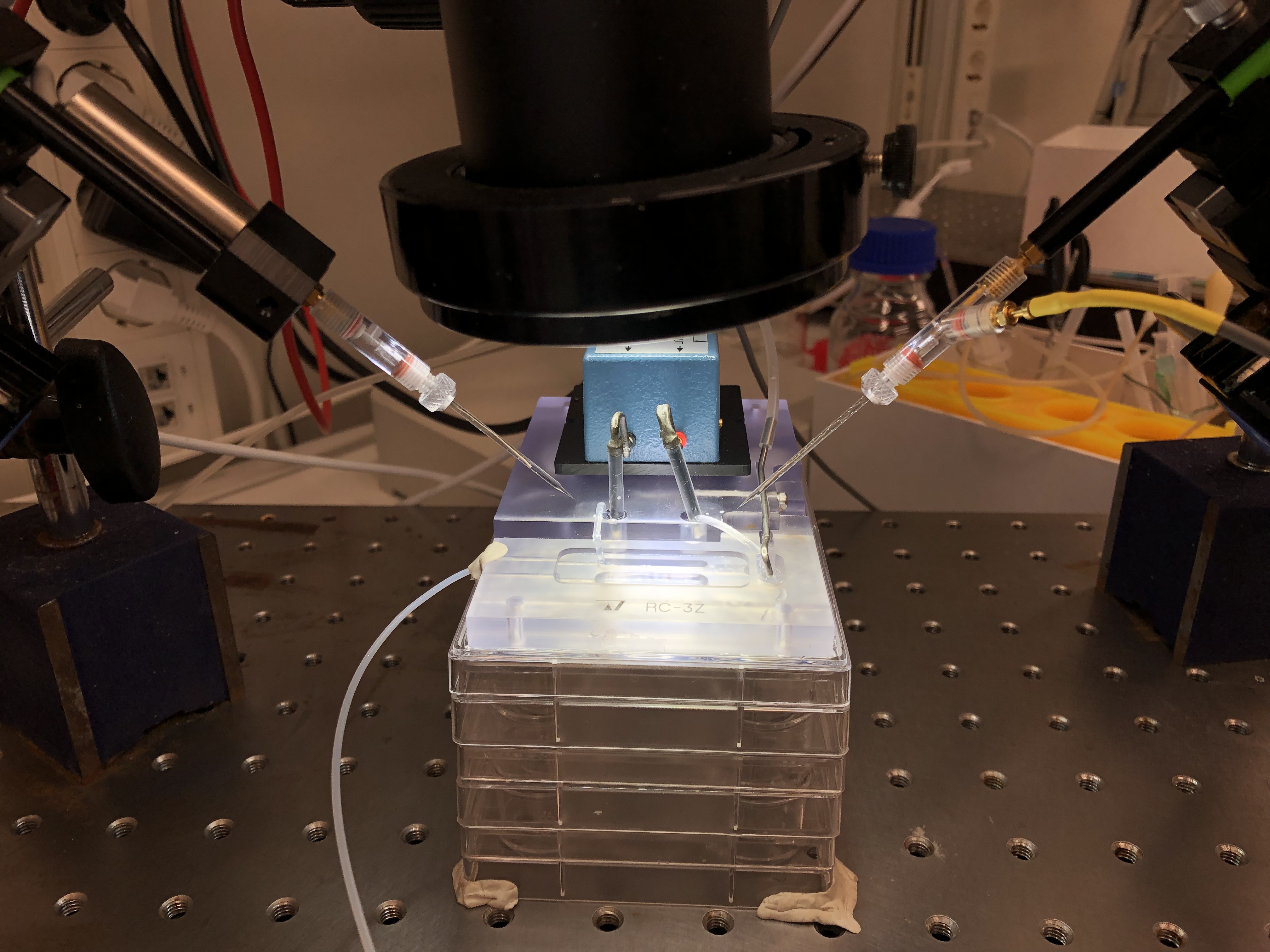
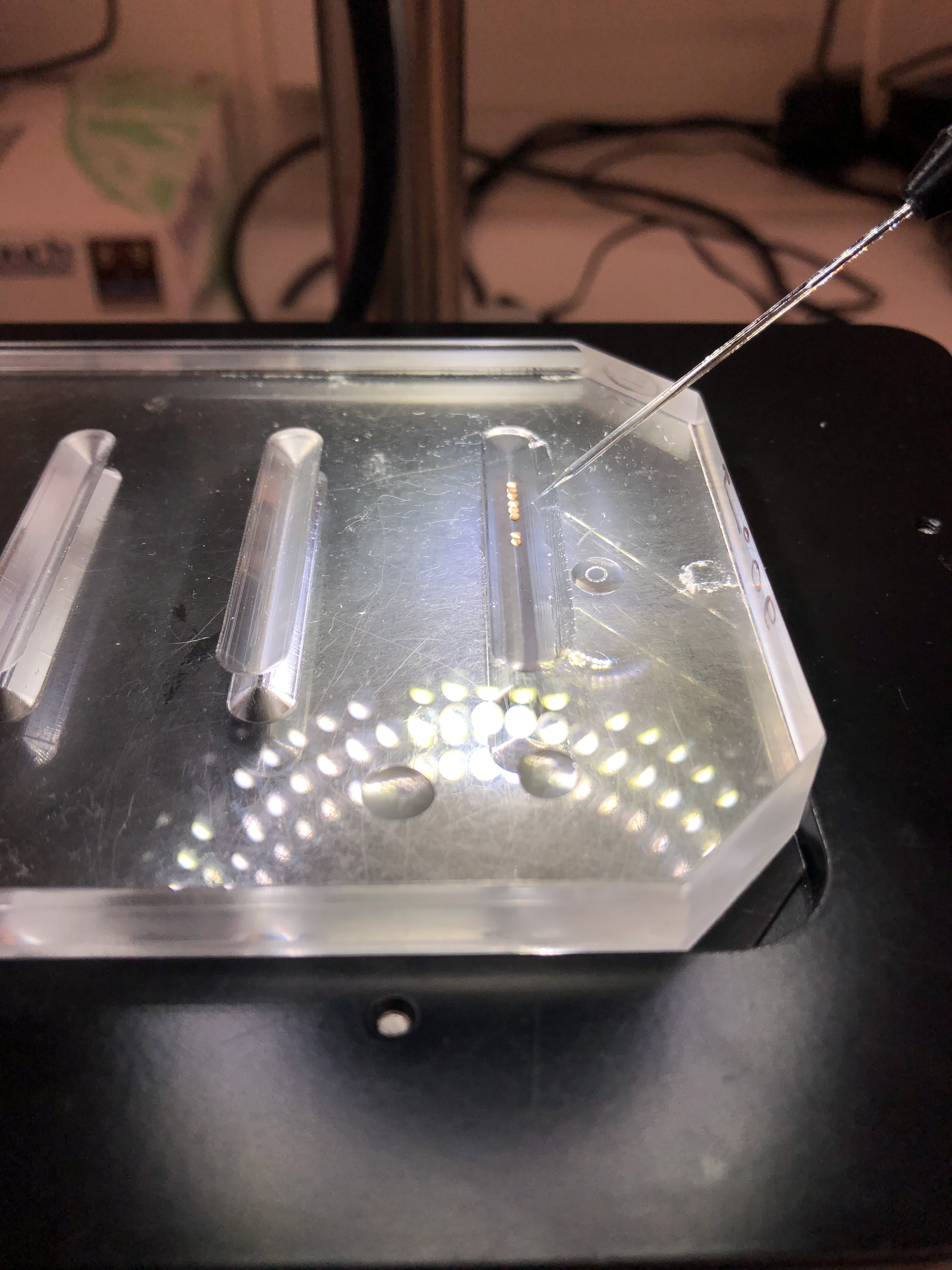
I then use electrophysiology (the rig is pictured below) to record the changes in current once the cell is exposed to certain concentrations of steroids.
After working through the kinks for the first few weeks, the other RA and I have recently started recording actual data and getting into the meat of both our projects, which has been super exiting!
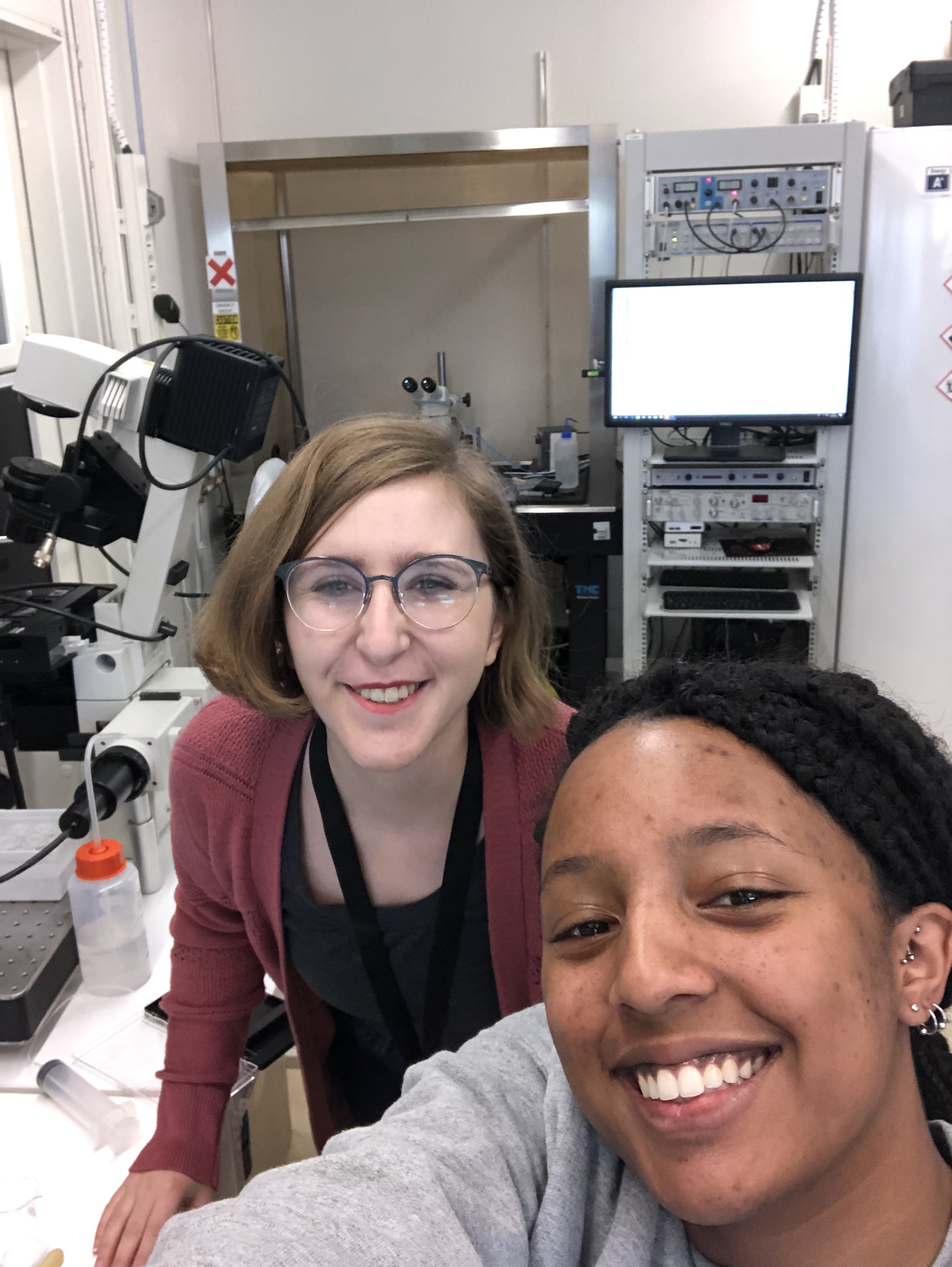
The DIS schedule/workload can get pretty hectic, but I can definitely say that I am enrolled in courses that I am genuinely interested in…so staying busy is just fine.
What’s nice about working in the lab is that in addition to doing our own research, we are also allowed to sit in on journal clubs, seminars, and visiting speakers held by both the group and through SciLife. So, while we’re not working with the little frog eggs, we have time to go have fika and listen to someone chat about their research, which I think it pretty darn cool :).
Also something I did not expect: The lab is comprised of a very diverse group of people, not only having various research interests, but also coming from different geographic backgrounds. Consequently, this has been both an academically enriching experience, and a culturally enriching one.
Plus, there are (free) coffee machines on all six floors of the lab, so what’s not to love!

 Phaedra's Semester at DIS Stockholm